
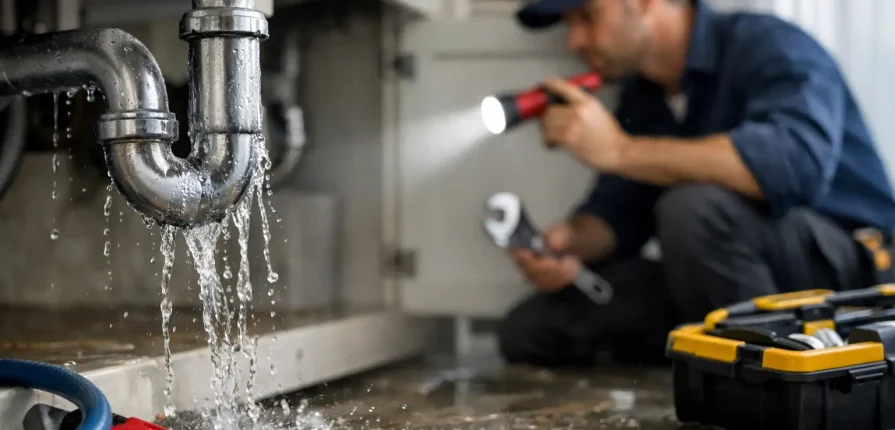
A toilet that overflows once is frustrating. A toilet that keeps rising toward the rim while water spills across the bathroom floor is an emergency. The difference matters because an emergency plumber is not just there to restore convenience. They help stop active water damage, sewage exposure, property disruption, and the costly repairs that can follow a delayed response.
For homeowners, property managers, and business operators in South Florida, knowing when to call can protect floors, walls, equipment, and daily operations. Some plumbing issues can wait for a scheduled appointment. Others need prompt professional attention, even if it is late at night, over a weekend, or during a busy workday.
When to Call an Emergency Plumber
A plumbing emergency usually involves one of three things: water is actively escaping where it should not, wastewater is backing up into the property, or an essential plumbing system has failed in a way that creates immediate risk. If you are unsure, focus on what is happening right now. Can you stop the water? Is the problem spreading? Is it affecting sanitation, safety, or your ability to keep the property open?
A burst or severely leaking pipe is one of the clearest reasons to call for emergency repair. Water under pressure can travel quickly through drywall, cabinets, ceilings, insulation, and flooring. In a single-family home, that may mean a damaged kitchen or bathroom. In a condominium, office, school, or medical property, it may also affect neighboring units, hallways, electrical areas, or occupied spaces below.
A major drain backup also deserves immediate attention. If sewage or dirty water is coming up through a toilet, shower, tub, floor drain, or cleanout, do not keep running water in the building. Continuing to flush toilets or operate sinks can force more wastewater back into the property. This is especially urgent in commercial kitchens, multi-unit buildings, schools, and medical facilities where a backup can interrupt normal operations and create sanitation concerns.
Other reasons to call include a failed water heater that is leaking heavily, a slab leak causing hot spots or unexplained water loss, a broken shutoff valve that will not stop a fixture leak, or a toilet that cannot be shut off and continues overflowing. A gas water heater issue involving the smell of gas is different: leave the area, avoid switches and flames, and contact the gas utility or emergency services as appropriate before arranging plumbing service.
Problems That May Wait Until Regular Service Hours
Not every plumbing problem requires an after-hours dispatch. A slow drain that still drains, a dripping faucet you can contain with a bowl, or a toilet that is out of service but not overflowing may be suitable for a scheduled repair. The same can be true for a water heater that has stopped heating but is not leaking, depending on the needs of the household or facility.
That does not mean these issues should be ignored. A slow drain can become a complete stoppage, and a small leak can damage cabinetry or encourage mold over time. The practical question is whether the condition is stable and safely controlled. If it is, scheduling a qualified plumber during normal hours can be the more cost-conscious option. If water, sewage, or damage is actively spreading, it is time to treat the issue as urgent.
What to Do Before the Plumber Arrives
The first goal is to reduce damage without creating a new problem. Start by stopping the source if you can do so safely. For a leaking toilet, sink, or washing machine connection, use the nearby fixture shutoff valve. For a larger leak, turn off the home or building’s main water supply. Property managers should make sure maintenance staff know where the main shutoffs are located before an emergency occurs.
Next, keep people away from standing water, particularly if it is near outlets, appliances, extension cords, electrical panels, or equipment. Do not step into water around electrical hazards. If sewage is involved, keep children, pets, customers, staff, and occupants out of the affected area. Sewage water can contain contaminants that require proper cleanup after the plumbing issue is resolved.
Move furniture, boxes, rugs, electronics, and other belongings away from the affected area if it is safe to do so. Place towels, buckets, or shallow pans under small contained leaks, but do not rely on them for a pipe under pressure. Take a few clear photos of the damage and the plumbing source if possible. This can be useful for property records, insurance documentation, or explaining the situation to your plumber.
Avoid common quick fixes that make professional repair harder. Do not pour chemical drain cleaner into a backed-up drain, especially if wastewater is already standing in the fixture. These products can be dangerous to handle, may damage some pipes, and can splash back when a drain is opened. Do not repeatedly plunge or flush an overflowing toilet. And do not cut into walls, ceilings, or pipework unless you are trained and certain it is safe.
When you call, be ready to describe the problem plainly: where the leak or backup is located, whether the water is clean or dirty, whether the main water is off, when it started, and whether the issue is affecting other fixtures. Clear details help an emergency plumbing team arrive prepared.
Why Fast Diagnosis Matters in South Florida
South Florida properties face conditions that can make small plumbing problems more expensive than they first appear. High humidity can make moisture damage harder to ignore, while concrete slab foundations and multi-unit construction can make leak locations less obvious. Water from a hidden pipe leak may show up as a warm floor, damp baseboard, stained ceiling, higher water bill, or the sound of running water when fixtures are off.
A skilled plumber does more than patch the visible symptom. Proper diagnosis identifies whether a ceiling stain comes from a supply line, drain line, roof issue, upstairs fixture, or water heater connection. With a recurring drain stoppage, the cause could be grease buildup, roots, a damaged line, poor pipe slope, or heavy use in a commercial setting. The correct repair depends on the cause, which is why honest explanations and the right diagnostic process matter.
For condominium associations and commercial properties, fast action also limits liability and disruption. A leak inside one unit can affect common areas and other residents. A restroom backup can close part of a restaurant, office, school, or medical building. Having a dependable plumbing partner on call makes it easier to make decisions quickly, communicate with occupants, and document the response.
Choosing an Emergency Plumbing Service
In an urgent situation, price matters, but it should not be the only question. Ask whether the company can respond promptly, whether the technician can diagnose the issue before recommending major work, and whether you will receive a clear explanation of the repair options. The best emergency service is not one that creates panic. It is one that identifies the immediate risk, stops the damage, and gives you straightforward next steps.
Look for a plumbing company that is equipped for the type of property you manage. A homeowner may need a leaking pipe repaired or a water heater restored. A facility manager may need help with multiple restrooms, a main drain stoppage, a slab leak, or a water interruption affecting an entire building. Experience across residential and commercial plumbing makes a difference when the job requires more than a simple fixture repair.
Caliber Plumbing provides responsive emergency repair throughout the Hollywood area and surrounding South Florida communities, with skilled technicians who explain the problem, keep work areas tidy, and focus on practical repairs. Whether the issue is a leaking pipe, overflowing toilet, drain backup, or failed water heater, the priority is controlling the immediate problem and helping prevent a repeat.
A Small Preparation Step Can Save a Big Repair
No one plans for a pipe to burst or a drain line to back up during a busy morning, but preparation gives you more control when it happens. Find your main water shutoff, label it if needed, and make sure household members, staff, or on-site managers know how to use it. Keep the contact information for a trusted local plumber available before the next urgent call is needed.
When water is spreading or wastewater is backing up, act quickly, protect the area, and call for professional help. A calm response in the first few minutes can make a meaningful difference in what needs to be repaired tomorrow.