
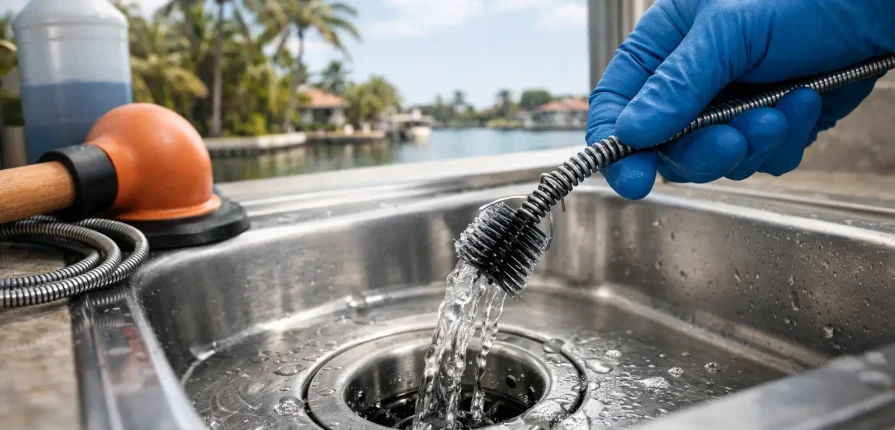
A kitchen sink that drains a little slower each week may not feel urgent – until water backs up during dinner cleanup or a foul odor reaches the whole room. So, how often should drains be cleaned? For most properties, the answer depends on how heavily the plumbing is used, what goes down the drain, and whether the building has a history of clogs or backups.
There is no one schedule that fits every home, restaurant, condo building, or medical office. Still, routine drain maintenance is far less disruptive and often less expensive than waiting for a complete stoppage. In South Florida, where many properties have older plumbing, high occupancy, and year-round use, staying ahead of drain buildup is a practical part of property care.
How Often Should Drains Be Cleaned?
For a typical single-family home, professional drain cleaning every 18 to 24 months is a reasonable preventive schedule when drains are working normally. Homes with frequent cooking, long hair in bathroom drains, large families, or older cast-iron pipes may need service every 6 to 12 months instead.
Commercial and multi-unit properties generally need a more consistent plan. A busy restaurant may require grease-related drain service monthly or quarterly, depending on its kitchen operations and grease interceptor setup. Condominium associations, schools, medical facilities, and office buildings may benefit from scheduled inspections and cleaning every 6 to 12 months, especially for common lines that serve many fixtures.
The best schedule is based on the condition of the system, not just the calendar. If a drain has already clogged twice in a short period, annual cleaning may not be enough. The line may have grease buildup, scale, a pipe defect, root intrusion, or another issue that needs diagnosis before repeated cleanings become a temporary fix.
What Builds Up Inside a Drain?
Most drain clogs start gradually. In kitchen lines, cooking grease cools on pipe walls and traps food particles. Even when grease looks liquid in the pan, it can harden farther down the line. Coffee grounds, rice, pasta, eggshells, fibrous vegetables, and too much garbage disposal waste can add to the blockage.
Bathroom drains collect hair, soap residue, toothpaste, shaving products, and mineral deposits. Shower drains often become slow long before they stop completely, while sink drains may develop a persistent odor from buildup around the stopper and trap.
Toilets and main sewer lines are different. They should only receive toilet paper and human waste. Wipes labeled “flushable,” paper towels, feminine hygiene products, cotton swabs, dental floss, and similar items do not break down reliably in plumbing. They can snag inside the line and create a serious blockage, particularly in older pipes.
South Florida properties can also face issues beyond everyday buildup. Mature landscaping may lead to roots entering sewer lines through small openings. Older cast-iron piping can develop internal scaling and rough surfaces that catch debris. In those cases, professional equipment and a camera inspection can identify why the same line keeps backing up.
Signs You Should Clean Drains Sooner
Do not wait for your normal maintenance date if the plumbing is showing warning signs. A slow drain in one fixture may be a local clog. Slow drainage throughout the property, however, can point to a larger problem in a branch line or main sewer line.
Call for professional drain cleaning when you notice recurring clogs, gurgling sounds, sewage odors, water backing up into a tub or shower, or a toilet that bubbles when another fixture drains. These symptoms can worsen quickly, and a backup can damage flooring, cabinets, drywall, inventory, or tenant spaces.
For commercial properties, changes in restroom traffic or kitchen operations also matter. If a facility adds employees, tenants, students, patients, or dining volume, the existing plumbing maintenance schedule may no longer match actual demand. Preventive service should grow with the property’s use.
Drain Cleaning Is Not the Same as Pouring Chemicals Down a Pipe
Store-bought chemical drain cleaners can sometimes clear a minor hair or soap blockage, but they are not a maintenance plan. Many products create heat or use corrosive ingredients that may damage older metal pipes, weaken seals, or leave a partial blockage behind. They can also make conditions more hazardous for the technician who must later open the line.
A plunger or a small hand snake can be useful for a simple, accessible clog. The trade-off is that these methods do not show what is happening farther down the pipe. If the clog returns, forcing it repeatedly may only push the problem deeper or delay a needed repair.
Professional drain cleaning uses the right equipment for the line and the blockage. A cable machine can remove common stoppages, while hydro jetting may be appropriate for certain grease, sludge, or scale buildup. Camera inspection can confirm whether the pipe is clear, damaged, offset, or affected by roots. The goal is not merely to get water moving today. It is to understand why it stopped moving in the first place.
Practical Habits Between Professional Cleanings
Good daily habits can extend the time between service visits. In the kitchen, collect grease in a container and dispose of it in the trash after it cools. Scrape plates before rinsing them, and use the garbage disposal only for small amounts of suitable food waste. Run cold water while operating the disposal and let the water continue briefly after it stops.
In bathrooms, use drain screens to catch hair and clean them regularly. Avoid flushing anything other than toilet paper. If children, guests, employees, or tenants use the facilities, clear signage and simple reminders can prevent costly stoppages.
Hot water can help rinse ordinary soap residue from a sink, but it will not remove a significant grease blockage or solve a sewer-line problem. Avoid mixing chemicals or trying multiple drain products when the first one fails. That can create fumes, damage plumbing, and make a service call more complicated.
When a Recurring Clog Needs More Than Cleaning
A drain that clogs again soon after cleaning deserves closer attention. Repeated stoppages in the same bathroom may indicate a buildup problem, but frequent backups affecting multiple fixtures often point to a main-line issue. Tree roots, pipe corrosion, bellies in the line, broken sections, or improper connections can all interfere with drainage.
This is where a camera inspection can save time and guesswork. Instead of assuming the line needs to be snaked again, a plumber can inspect the interior condition and recommend the repair or maintenance approach that makes sense. For a property manager, that documentation can also help explain the issue clearly to owners, boards, or tenants.
Caliber Plumbing provides drain cleaning and stoppage removal for homeowners and active commercial properties throughout South Florida. Skilled technicians can clear the immediate problem, explain what caused it, and help determine whether preventive maintenance, inspection, or repair is the better next step.
A Maintenance Schedule That Fits Your Property
The right drain-cleaning interval should protect your property without paying for service you do not need. A low-use home with newer plumbing may do well with cleaning every couple of years. A family home with recurring slow drains may need annual service. A restaurant, condominium, school, or medical facility may need a customized schedule based on fixture count, occupancy, kitchen use, and the condition of its drain lines.
If water is slow, noisy, smelly, or backing up, treat it as an early warning rather than a minor inconvenience. A prompt inspection can often prevent the kind of plumbing emergency that interrupts a business day, displaces residents, or turns a simple drain issue into avoidable property damage.